You walk into your local 7-11 at the start of yet another early school day, hoping to grab a quick snack and something tasty to quench that first-thing-in-the-morning thirst; you are immediately enamored by the brightly colored energy drink cans: Monster, Alani, Red Bull, C4, Reign… This morning routine is common for many high school students and young adults; however, is this rise in caffeine consumption detrimental to their well-being?
How do energy drinks affect physical and mental health?
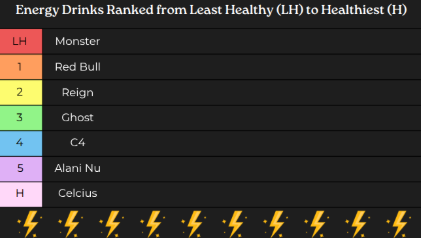
Although popular, energy drinks are not necessarily healthy. Despite the efforts companies like Alani and Celsius go through to improve the health status of their products, consuming one of these drinks is equivalent to about 2-3 cups of coffee (about 200-300 mg of caffeine). While the recommended maximum daily caffeine intake is about 400 mg for most adults, some adolescents are consuming 2-3 energy drinks a day.
Nevertheless, the repeated use of these energizers has caused some to build a tolerance.
“It generally takes around 600mg of caffeine to energize or stabilize me,” said junior Chase McConnell. “If I am not actively buying energy drinks, I use my espresso machine at home and will typically drink three double-shot lattes throughout the day.”
There have been multiple accounts in which caffeinated beverages have been the source of serious health issues ending in hospitalization and/or death. For example, the series of death lawsuits following the release of the highly caffeinated (155-300 mg) Panera Charged Lemonades. These tragedies were mainly caused by the company’s poor labeling of the beverages’ caffeine content, resulting in many customers ordering multiple drinks in the largest available size, unaware of the amount of caffeine they were consuming.
These occurrences are far more common than you might think; even Salem students have experienced the effects of too much caffeine.
“I had to go to the emergency room the first time I ever had a Red Bull,” said junior Kylie Cohoon. “I had a [lacrosse] game and drank one prior. Afterwards, I started to get a very bad migraine and an increased heart rate. I ended up [receiving] an IV and [having] tests run.”
Outside of physical health, the regular consumption of caffeinated beverages is shown to cause mood swings, such as irritability, when the effect of the caffeine wears off. According to Very Well Mind, caffeine can increase anxiety levels.
Millions of teens continue to consume energy drinks despite the potential negative impacts. In fact, Cohoon still drinks them (in moderation).
“Energy drinks wake me up and put me in a better mood,” said Cohoon.“If I were to not have an energy drink, I’d find myself falling asleep in class and having less of a positive attitude.”
Despite the occurrence of these incidents, energy drinks seem to have increased in popularity. How do they do this? The simple answer: branding.
Dissecting the advertisement and fan service:
Brands like Alani Nu and Red Bull have mastered their aesthetic and understanding of their customer demographic.
Red Bull:
The iconic “Red Bull Gives You Wings” ad campaign has been extremely successful in grabbing the attention of the public with its comedic cartoons featuring various athletes like sky diver Felix Baumgartner, soccer player Neymar Jr., and snowboarder Shaun White. The athletic promotion furthers their brand of endurance and performance, similar to the C4 energy drink brand, but without their pre-workout chemical, Beta-Alanine. To keep things interesting and the public invested, Red Bull also releases seasonal flavors like Cherry Sakura in the spring, White Peach in the summer, Fig Apple in autumn, and Fuji Apple and Ginger this winter.
Alani:
Launched in 2018, this brand is by far one of the most popular among adolescents, known for its aesthetically pleasing appearance and creatively assigned flavors. Unlike other popular energy drink brands like Red Bull and Monster, Alani Nu claims to be the healthier option, with absolutely no sugar in any can, containing B-Vitamins, and being classified as gluten-free. Outside of its eye-catching colors and supposed healthiness, Alani has participated in partnerships with famous celebrities like Kim Kardashian’s Kimade (strawberry lemonade), Addison Rae’s Berry Pop (strawberry popsicle), and, most recently, Paris Hilton’s Pink Slush, which is now a member of the year-round flavors due to its popularity.
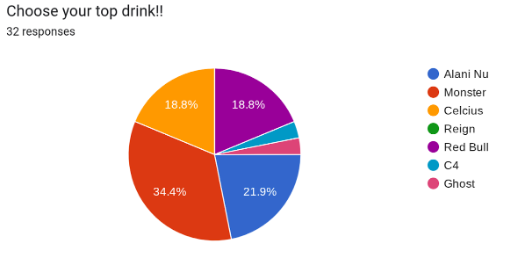
What’s most popular among Salem Students: