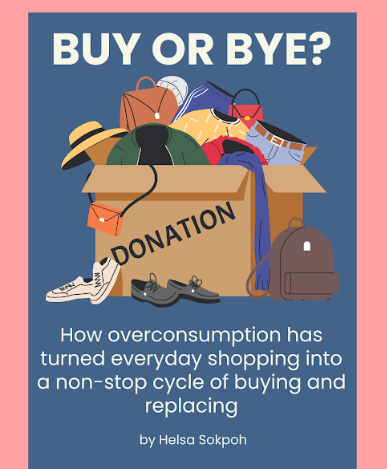
A new water bottle, piles of packages full of trendy clothes, and drawers full of makeup. Consistently buying new things has become a part of everyday life, but this habit can easily start to add up. This pattern of buying is called overconsumption, and it’s becoming increasingly more common, especially with how easy it is to shop in this day and age.
In this case, overconsumption can be defined as the excessive purchasing of goods beyond what is necessary or functional, often driven by trends and social media. It doesn’t just apply to clothes; it can be anything: skincare, school supplies, home decor, and even technology. Many people don’t even realize they’re doing it. When something is cheap, trendy, or constantly advertised, it’s easy to convince yourself you need it.
“When I first buy a new item, I’m excited because it goes out of stock quickly, but compared to when I have it, I feel like I don’t need it anymore,” said junior Caz Brisson.
Social media has made this habit of compulsive buying even more noticeable. Online platforms like TikTok and Instagram are filled with advertisements, haul videos, and influencers selling the newest “must-have” item of the season.
“I’ve been de-influenced by influencers online to buy makeup because my skin is really sensitive, so I have to do a lot of research before buying a product,” said junior Blue Valdez. “Doing research on items helps me impulsively buy things I don’t need.”
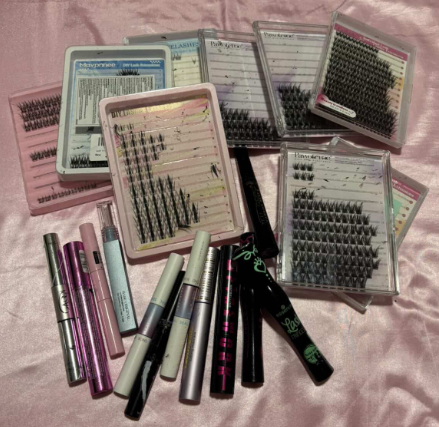
While watching these videos can be entertaining, they also create pressure to keep up with trends or encourage viewers to “shop till they drop!” When you see someone buying ten new products at once, it starts to feel normal, even if most people don’t actually need that much.
“Honestly, I feel like a functional item turns into a collectible when you buy more than one. Once you start buying and buying a bunch of different versions of the same item, it gets excessive,” said Brisson.
Online shopping has also made overconsumption easier than ever before. With just a few clicks on Amazon or Temu, packages can show up at your door in just a few days. Because the process is so fast and convenient, people often buy things without first considering whether they’ll use them.
“After I buy a new item, I’m excited, but after a while, I regret buying it,” said Valdez.
The main problem is that many of these items rarely get used. People might buy a trendy product or piece of clothing, use it once or twice, then move on to the next big thing. Over time, rooms, closets, and drawers start filling up with unused items that were only exciting for a moment.
“I have too many lip glosses to count. I just keep buying them,” said junior Ivy-Marie Banks. “Summer Fridays and the Dior Lip Oil, I bought those when they were popular. Whenever I see a lip gloss going viral, I just buy it.”
At the same time, more people, especially teens, are noticing this issue and taking action to prevent it. Some students are making the conscious decision to buy less, reuse what they already have, or shop secondhand. Thrifting or second-hand shopping online with apps like Depop and Vinted has become a popular way to stay stylish without constantly buying brand-new items.
“I sell my old/unused clothes on Depop, Plato’s Closet, or I just donate them,” said Valdez
In the end, the question isn’t whether people should stop shopping completely, but rather if we really need everything we’re constantly being convinced to buy. Sometimes the most important trend might just be learning when to say, “I already have enough.”